Cultivating Curiosity: How Plants Enhance Learning Environments
The environment in which learning takes place profoundly impacts engagement, focus, and overall well-being. While traditional elements like desks and whiteboards are essential, introducing living greenery can cultivate a more stimulating and supportive atmosphere. At Urban Planters, we understand the power of biophilic design – our innate connection to nature – and its potential to transform learning spaces, fostering curiosity and enhancing cognitive function across diverse educational settings.
The Rooted Benefits: Research Backs the Connection
The intuitive sense that plants create a more pleasant environment is supported by a growing body of research. Studies have shown that the presence of plants in learning spaces can lead to:
- Improved Concentration and Focus: Natural elements have been linked to a reduction in mental fatigue and an increased ability to concentrate, crucial for absorbing and retaining information.
- Reduced Stress and Anxiety: The calming effect of nature is well-documented. Introducing plants can help create a more relaxed and less stressful learning environment, benefiting both students and educators.
- Enhanced Cognitive Performance: Some research suggests that exposure to plants can improve memory recall and attention spans, directly impacting learning outcomes.
- Improved Air Quality: Plants naturally filter air, removing common pollutants and increasing oxygen levels, contributing to a healthier and more conducive learning atmosphere.
- Increased Engagement and Motivation: A more aesthetically pleasing and stimulating environment can foster a greater sense of engagement and motivation among learners.
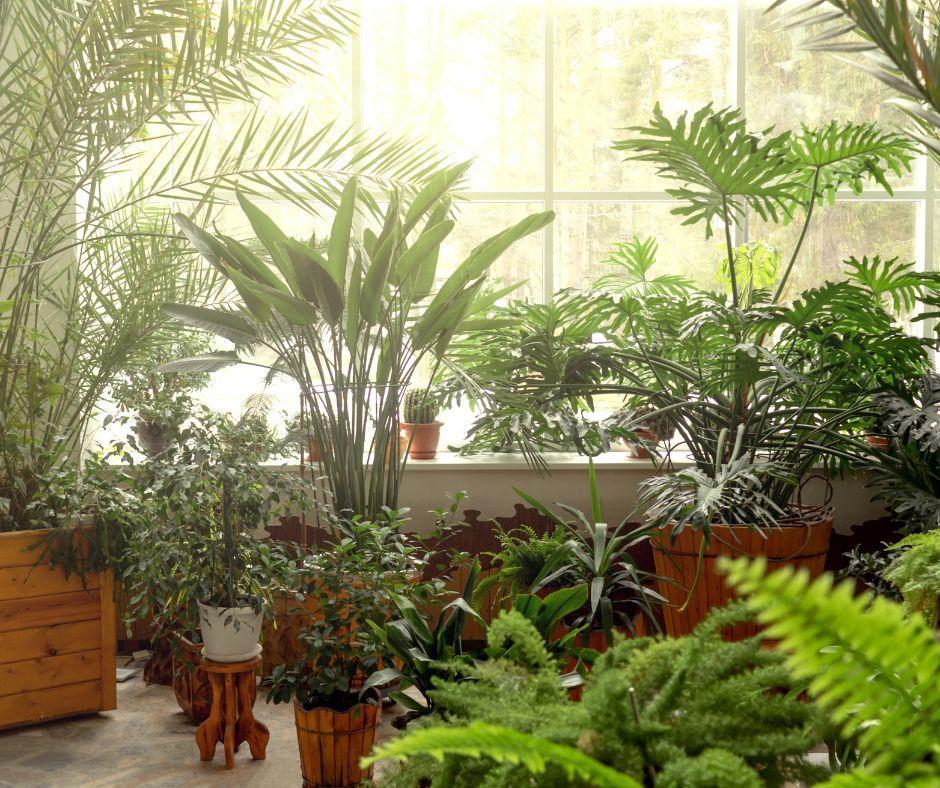 Lush green indoor plants bathed in bright sunlight.
Tailoring Greenery to Specific Learning Environments:
The specific needs and dynamics of different learning spaces call for tailored plant integration strategies:
Schools & Classrooms: Cultivating Young Minds
In classrooms, plants can be more than just decoration. Consider:
- Low-Maintenance & Safe Choices: Opt for hardy, non-toxic varieties like Snake Plants (Sansevieria trifasciata), Spider Plants (Chlorophytum comosum), or Peace Lilies (Spathiphyllum) in well-trafficked areas.
- Placement for Impact: Position plants near windows for optimal light, but avoid direct sunlight that could scorch leaves. Consider using shelving or hanging planters to keep floor space clear.
- Educational Opportunities: Integrate plants into the curriculum. They can be used for science lessons on plant biology, art projects focusing on natural forms, or even as a shared responsibility for students to learn about care and nurturing.
- Creating Calming Zones: Strategically placed larger plants can help define quieter areas within a busy classroom, offering a visual and psychological sense of calm.
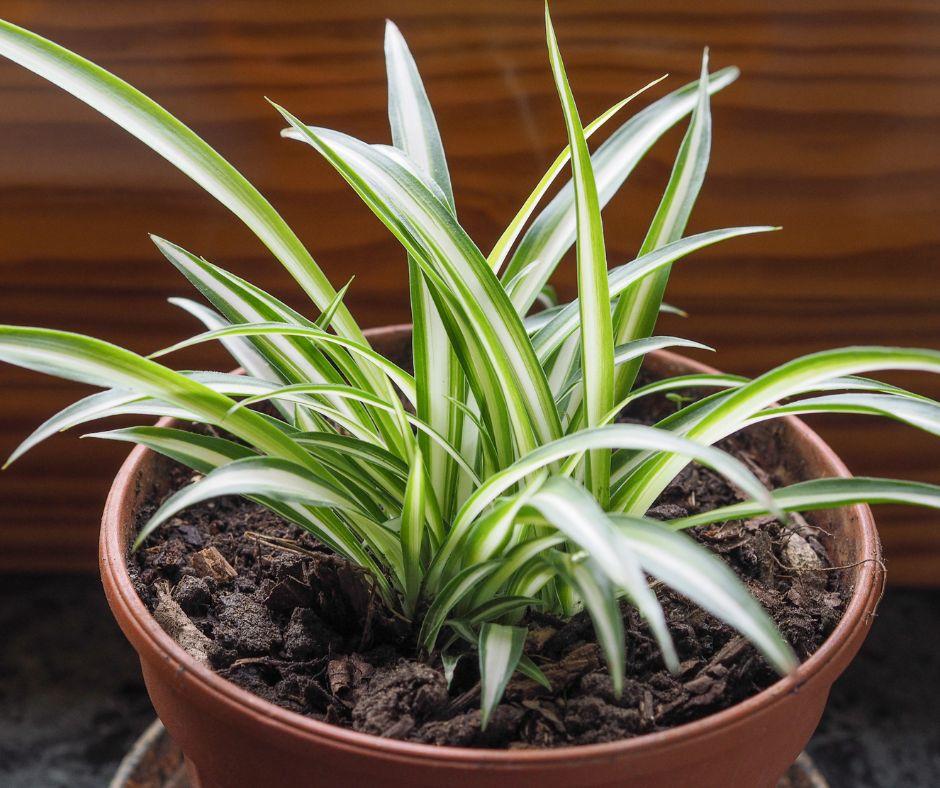 A spider plant in a brown pot.
Brighten your home with a Spider Plant! It’s super easy to care for and a natural air-cleaning champ.
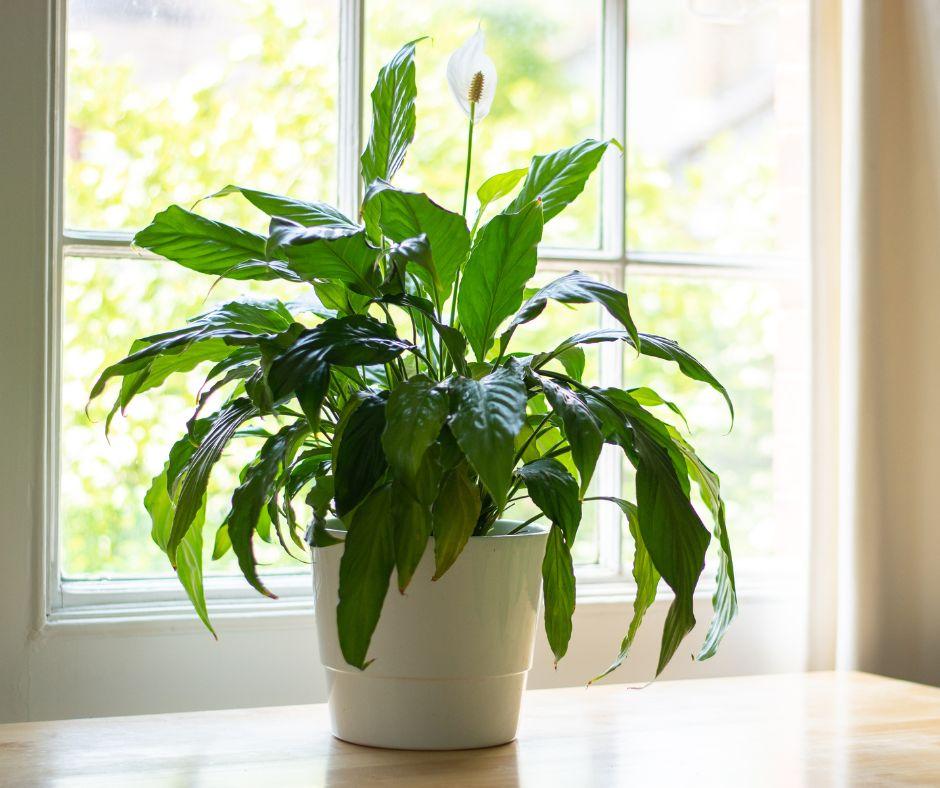 Peace lily plant in a white pot in front of a window.
Bring peace and clean air into your home with a beautiful Peace Lily. It’s elegant and an excellent air purifier.
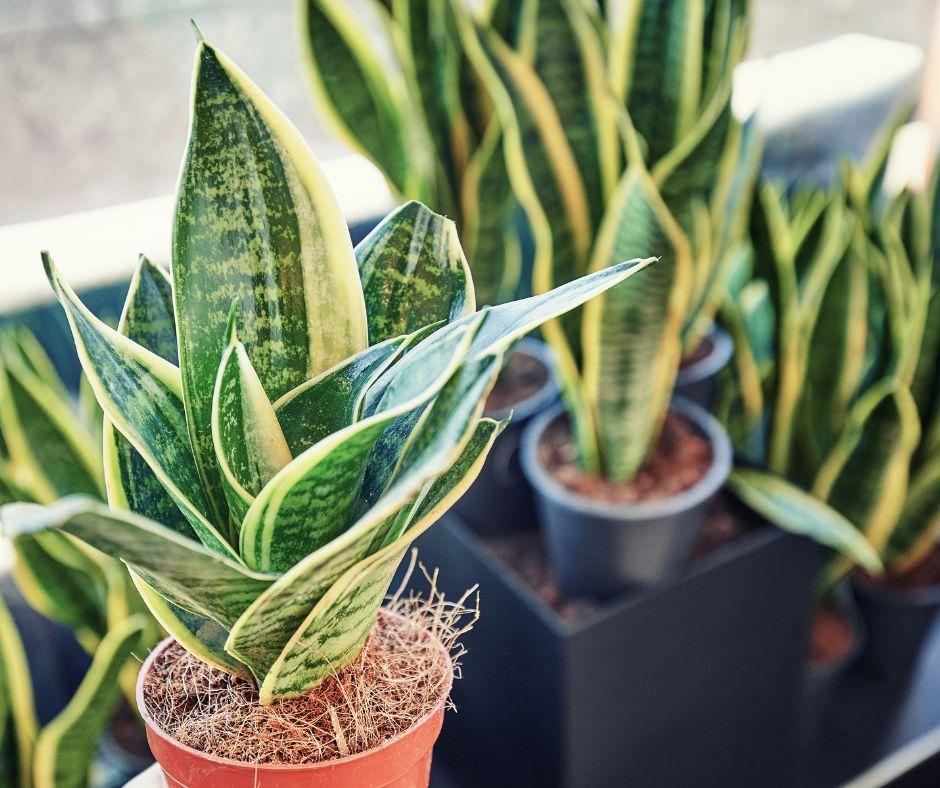 Potted snake plants.
Improve your space with a Snake Plant. This stylish, low-maintenance beauty is also a powerful air purifier.
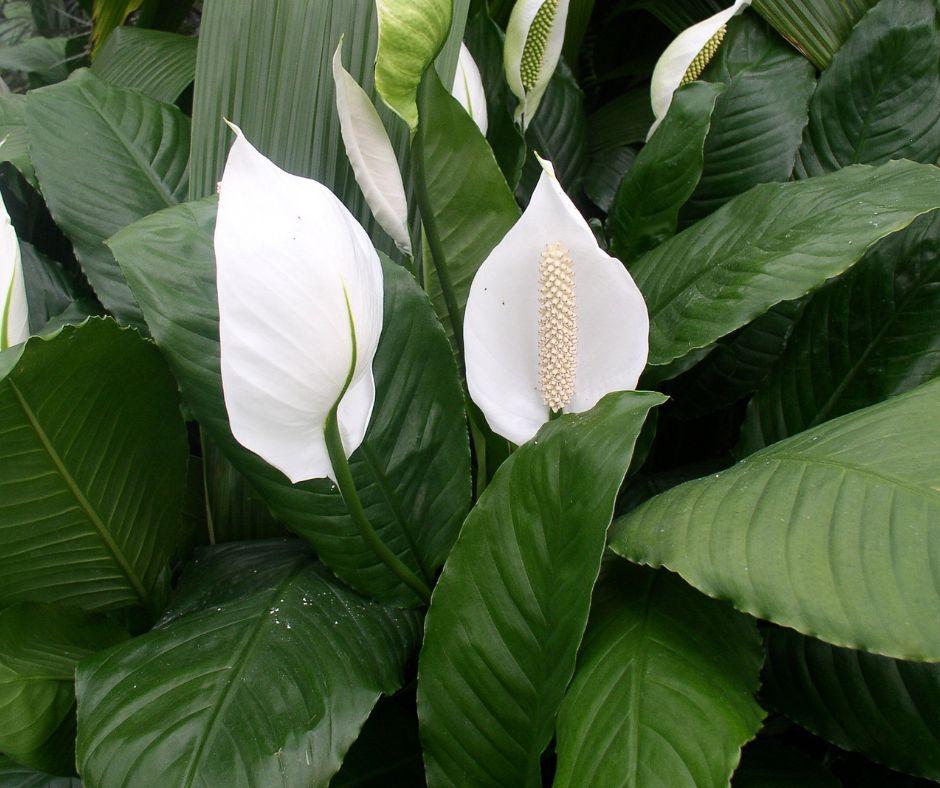 White peace lily flowers with green leaves.
Create a calm and clear learning zone with a Peace Lily. Its elegant presence and air-purifying magic help reduce stress and improve air quality for better concentration.
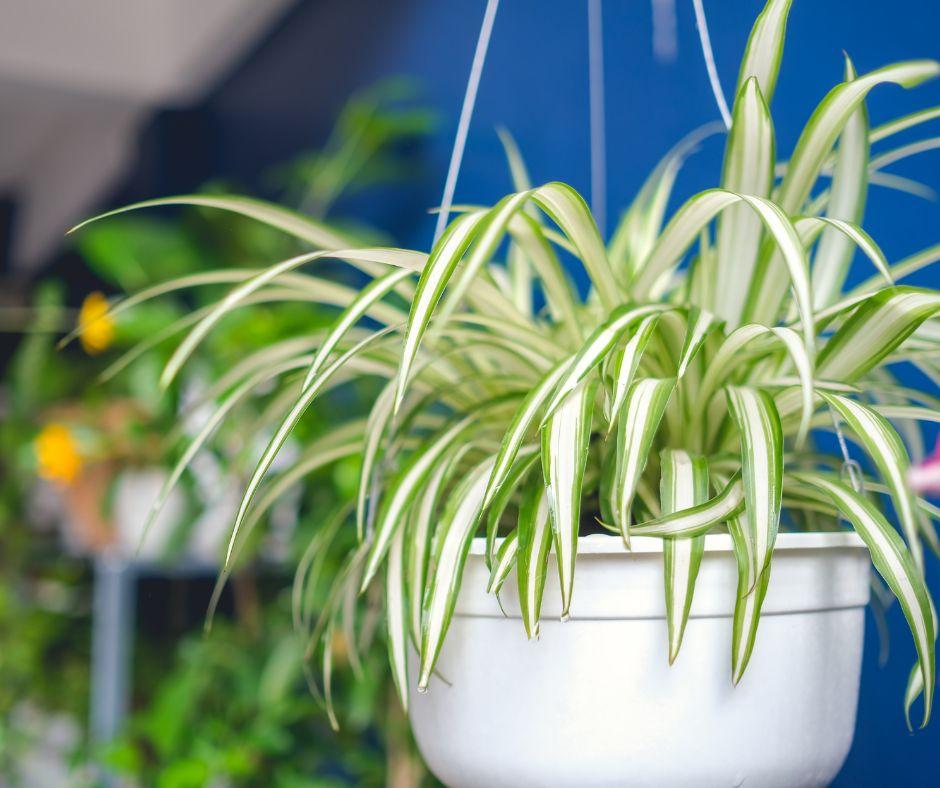 Hanging spider plant in a white pot against a blue background.
A Spider Plant is perfect for your desk! Its natural air-cleansing ability can help create a clearer, more invigorating atmosphere for studying and thinking.
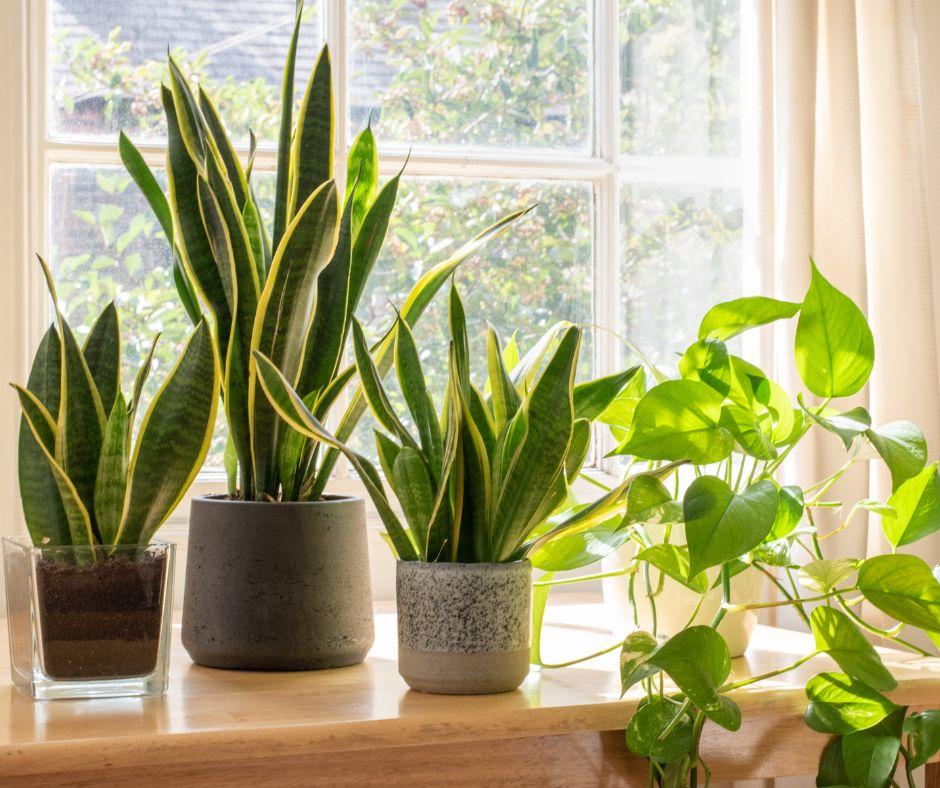 Potted indoor plants on a windowsill.
Keep your study space fresh and focused with a Snake Plant. Its air-purifying power helps you breathe easier and concentrate better while learning!
Universities & Libraries: Fostering Focus and Well-being
For older students and researchers, the demands of study can be significant. Plants can offer respite and support:
- Air-Purifying Powerhouses: In often crowded library spaces, plants like Devil’s Ivy (Epipremnum aureum) and Chinese Evergreens (Aglaonema) can help improve air quality.
- Desk-Friendly Options: Smaller, low-maintenance plants like succulents or ZZ Plants (Zamioculcas zamiifolia) can add a touch of nature to individual study spaces without being distracting.
- Creating Biophilic Break Areas: Integrate larger plant displays in common areas or break rooms to provide a natural and relaxing environment for students to recharge.
- Vertical Greenery: Living walls can transform large, often sterile library spaces into more inviting and biophilic environments.
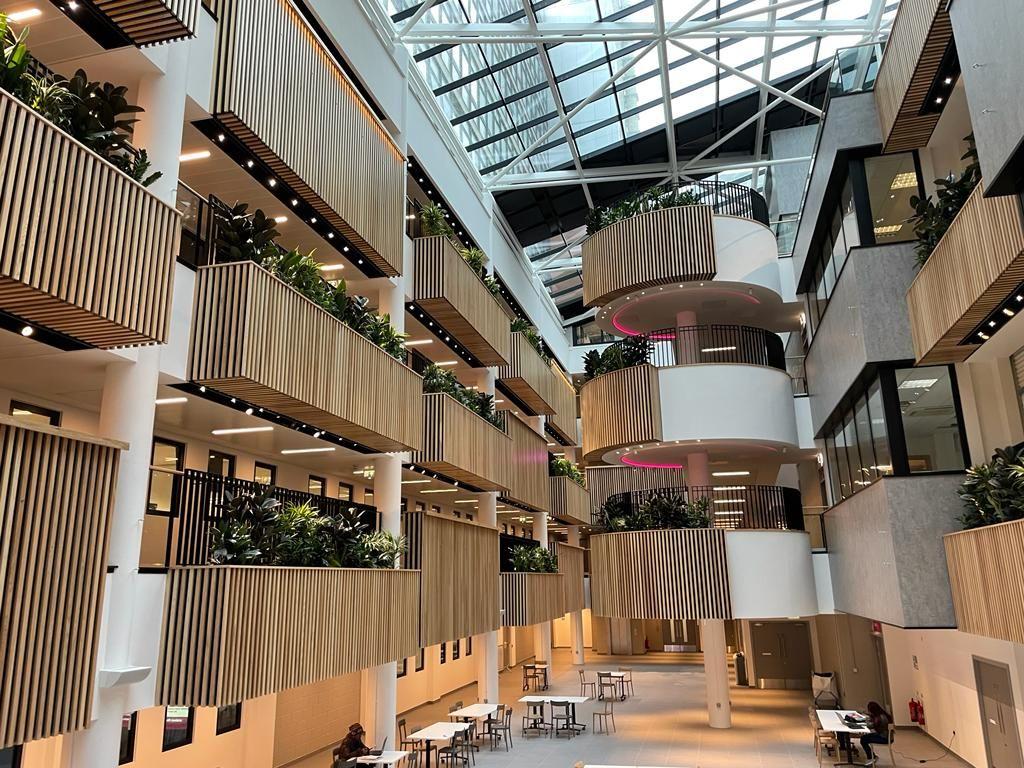 Modern multi-story office atrium featuring indoor plants on balconies.
Corporate Training & Development Spaces: Cultivating Innovation and Retention
In the corporate world, effective training is crucial. Plants can play a surprising role:
- Boosting Creativity & Engagement: Introducing natural elements can stimulate creative thinking and make training environments feel less sterile and more engaging.
- Reducing Stress During Intensive Sessions: The calming influence of plants can help participants feel more relaxed and receptive during demanding training modules.
- Improving Knowledge Retention: A more positive and stimulating learning environment can contribute to better information absorption and recall.
- Statement Greenery: Well-designed plant installations can also enhance the aesthetic appeal of training suites, reflecting a company’s commitment to employee well-being and creating a positive impression. Consider using statement plants like Rubber Plants (Ficus elastica) or Bamboo Palms (Chamaedorea seifrizii).
Practical Considerations for Plant Integration:
Regardless of the learning environment, a few practical considerations are key:
- Light Levels: Assess the natural light available in different areas and choose plants accordingly. Supplement with artificial grow lights if necessary.
- Maintenance: Opt for low-maintenance varieties that can tolerate the level of care available in a busy educational setting. Consider the possibility of involving students or staff in basic plant care.
- Safety: Ensure all chosen plants are non-toxic, especially in environments with younger learners. Avoid plants with sharp edges or potential allergens.
- Space Optimisation: Utilise vertical space with living walls or hanging planters to maximise greenery without encroaching on valuable learning areas.
By thoughtfully integrating plants into learning environments, we can cultivate spaces that not only look more appealing but also actively support cognitive function, reduce stress, and foster a greater connection with the natural world. At Urban Planters, we specialise in creating tailored biophilic solutions that nurture the learning mind and enhance the overall educational experience.
Ready to cultivate a more engaging and supportive learning environment with the power of plants? Contact Urban Planters today to explore the possibilities.
Other indoor and outdoor planting for learning settings have included evoking cell structures in the courtyard of a medical faculty, structural terrace planting in vibrant containers in a break out terrace, vivid planters to brighten accommodation blocks, and a range of biophilic greenery for communal areas.
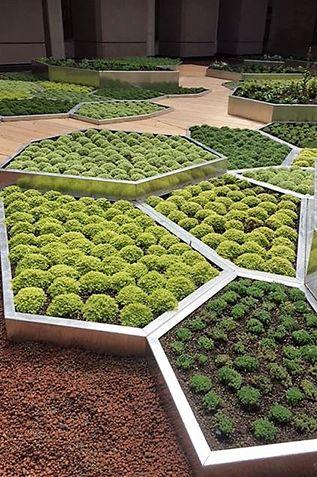 Hexagonal planters filled with lush green plants.
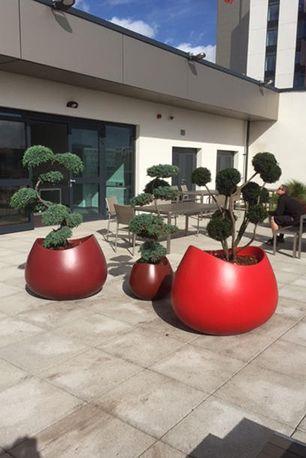 Topiary plants in large red and brown planters on an outdoor terrace.
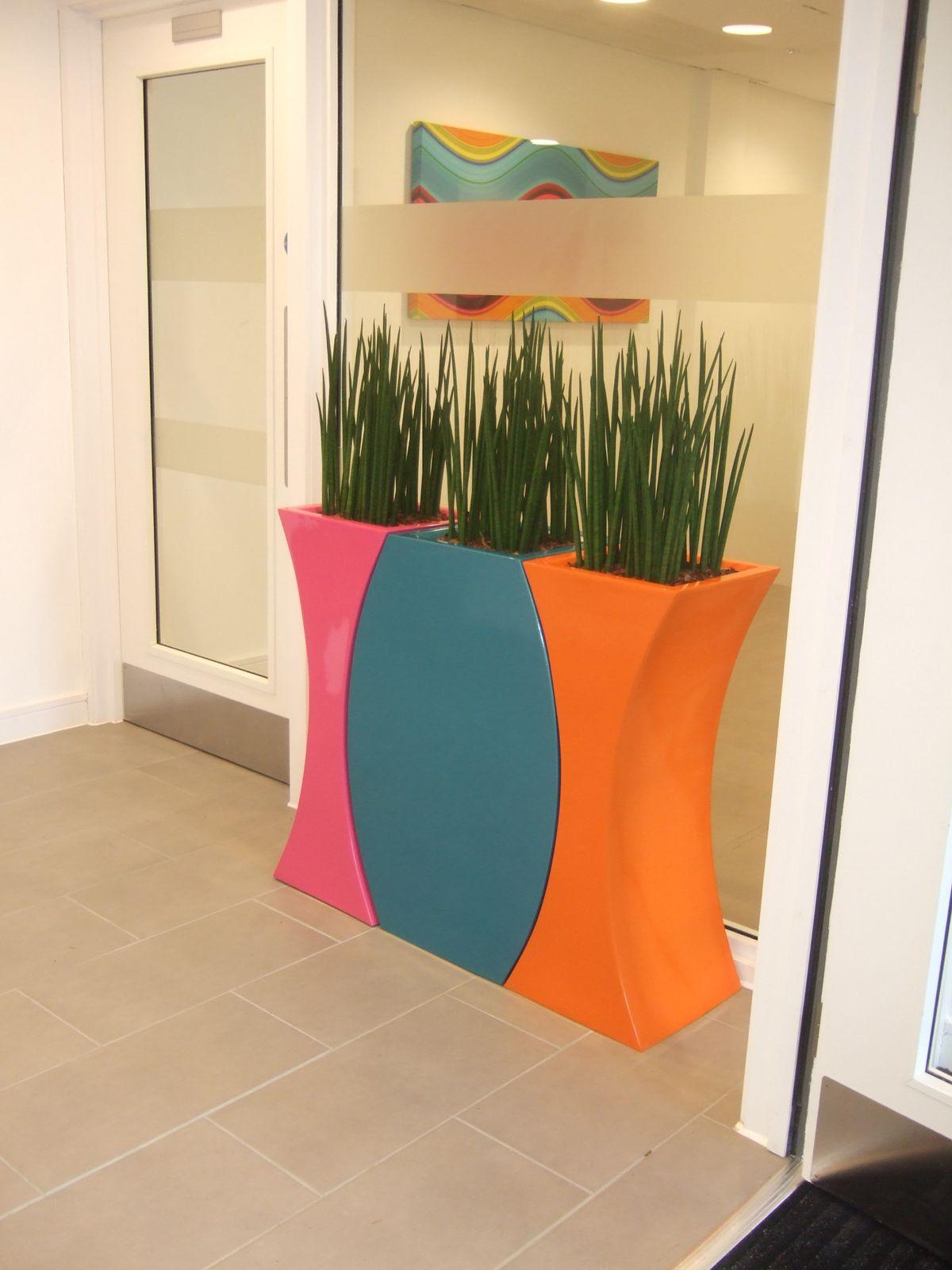 Colorful office planters with tall green plants in a modern hallway.
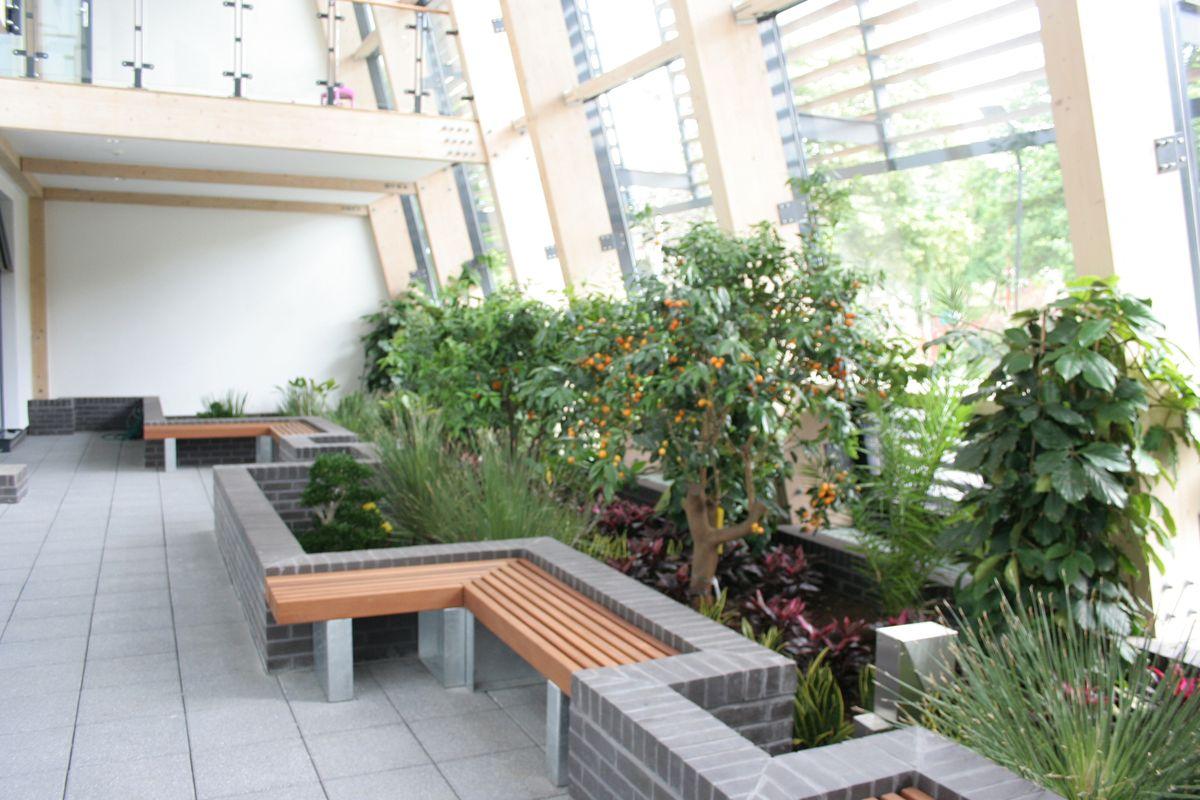 Indoor garden atrium with green plants and wooden benches.
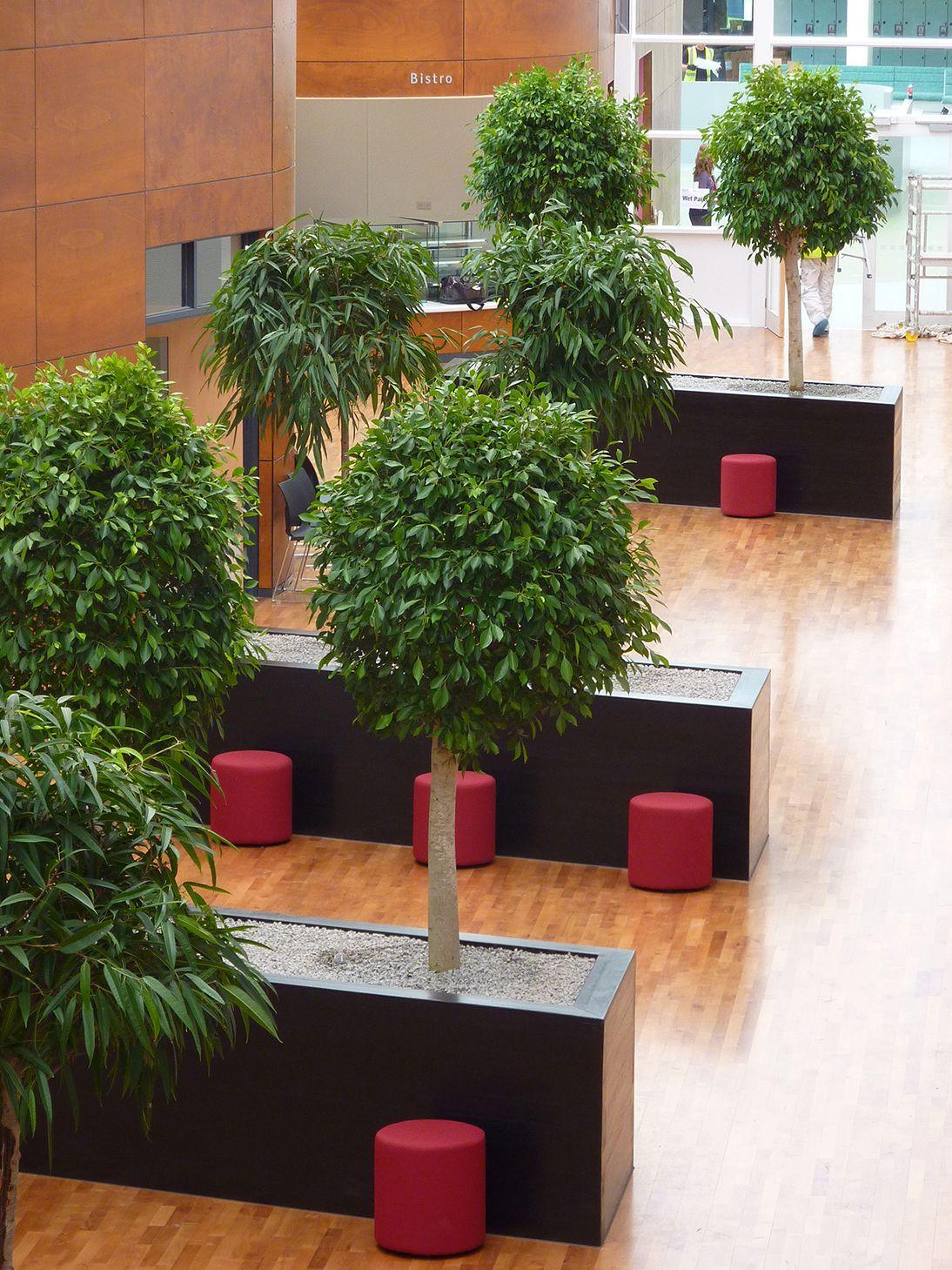 Large indoor office plants and small trees in planters with red seating.
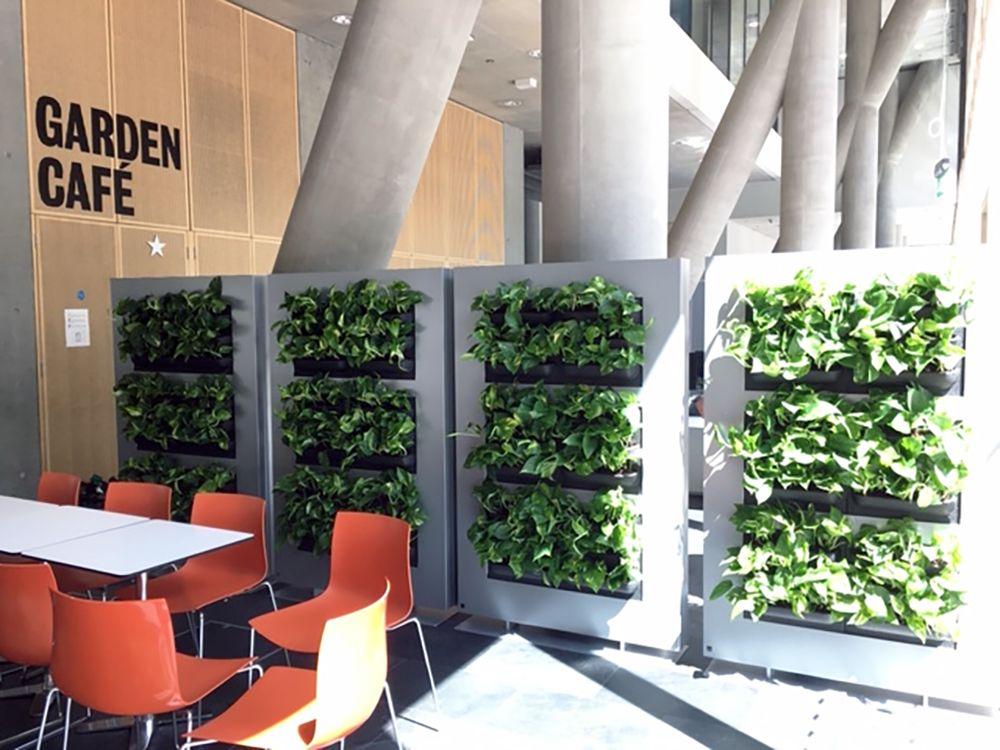 Mobile green walls used as dividers in a cafe with orange chairs.
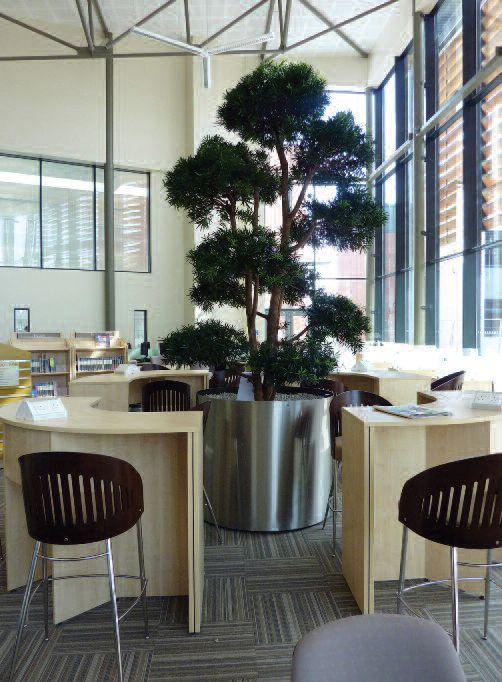 Large indoor tree in a metallic pot surrounded by office desks.