© 2026 Rentokil Initial plc © 2026 Urban Planters
A Pocket For Amphibians

Urban Planters Debuts at the RHS Badminton Flower Show 2026
We are thrilled to announce that Urban Planters will be showcasing for the very first time at an RHS show! Heading to the beautiful South Gloucestershire countryside this July, our debut features a stunning pocket garden designed by the talented Charlotte Connelly.
Aligned with the show's 2026 theme, Life, Love, Local, our design is a direct response to the UK’s biodiversity crisis, specifically targeting the dramatic loss of native ponds and amphibious life.
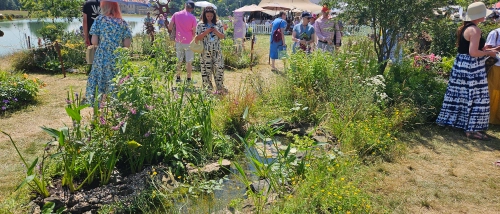
Big Impact, Small Footprint
Amphibians are vital indicator species, meaning their health reflects the health of our entire ecosystem. A Pocket For Amphibians proves that you don't need acres of land to make a difference. Even the most limited spaces can be transformed into a thriving haven that supports the entire amphibian life cycle, offering breeding grounds, shelter, rich food sources, and safe hibernation spots.
The Design: Naturalistic, Ethereal, and Intentional
Our freestanding pocket garden is designed to bring life to any open, sunlit green space. And while crafted to provide year-round ecological value, it reaches its breathtaking peak during the summer months.
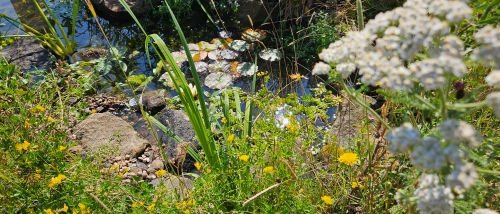
- A Calming Palette: A soft pastel color scheme creates a tranquil, ethereal atmosphere, punctuated by deep, rich tones that catch the eye.
- Texture & Movement: Densely layered ferns, wild grasses, and wildflowers of varying heights create a relaxed, naturalistic depth.
- Habitat-First Planting:
- A Hawthorn tree anchors the space, supporting insect life above ground while its complex root system provides the ultimate hibernation spot for newts below.
- Broad-leaved pond plants like Myosotis scorpioides (Water Forget-Me-Not) offer vital protection for delicate newt eggs.
- A blend of UK native and non-native pollinator plants ensures a booming population of insects and invertebrates, the ultimate buffet for hungry amphibians.
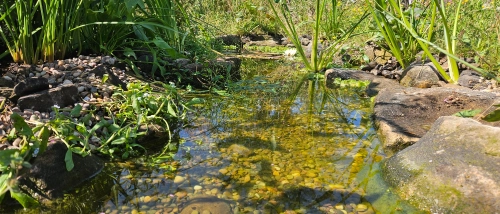
Driven by Sustainability
True conservation means building mindfully. We have carefully designed this pocket to minimize environmental impact and maximize carbon reduction:
- Zero Cement: We avoided all hard landscaping for the central pond to keep our carbon footprint low.
- Circular Materials: The design utilises a recycled fleece liner, a durable, sustainable LDPE pond liner, and reclaimed rockery stones.
- Long-Term Storage: The lifespan of the Hawthorn tree ensures the garden continues to store carbon for years to come.
- Zero Waste: Every single plant pot used in the display will be returned to our sustainable nursery for recycling.
Life After the Show
This garden isn't just for display, it’s built for the future. Once the RHS Badminton Flower Show concludes, the legacy lives on. All the planting will be carefully relocated and replanted at centre:mk, ensuring this thriving habitat continues to support local biodiversity long after the curtains close.
About Charlotte
Charlotte Connelly brings a unique blend of artistic vision and practical grit to garden design. Her approach is rooted in a simple philosophy: gardens should be beautiful, deeply connected to nature, and built to foster personal well-being.
Charlotte’s diverse background bridges the gap between theory and hands-on execution:
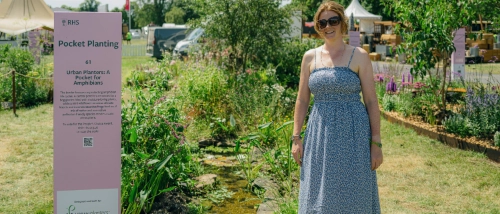
Charlotte earned a BA (Hons) in Art History in 2012, specialising her dissertation on the History of Garden Design to master landscape aesthetics.
Then spending five years working in the trenches as a hands-on landscaper, partnering on residential projects. This gave her a deep, first-hand understanding of garden construction, soil, and long-term maintenance.
Driven to design with the planet in mind, Charlotte earned a Diploma in Garden Design in 2018, subsequently running her own successful bespoke residential design business for five years.
Charlotte joined UrbanPlanters in 2023, where she seamlessly integrates her commitment to ecological responsibility into commercial and residential spaces. Always evolving, Charlotte recently completed a Level 2 certificate in Understanding Environmental Sustainability.
Today, her core passion lies in intricate planting designs that delight the senses while actively restoring local biodiversity.
Planting Highlights
Crategus monogyna
Native tree - Hawthorn trees (Crataegus monogyna) are essentially a biodiversity hub, supporting over 150 species of insects, various small mammals, and numerous bird species. Their unique combination of dense thorny branches, seasonal flowers, and autumn berries provides a year-round lifeline for local wildlife. Newts can use root systems to hibernate.
Achillea millefolium
Native - Its flat-topped flower heads provide an easy, accessible landing pad and rich nectar source for pollinators like bees, butterflies, and hoverflies. The feathery foliage shelters beneficial predatory insects, while its seeds and nest-building materials support local birds.
Knautia macedonica 'Mars Midget'
Non native. Its extended blooming season and seed heads offer essential nectar in the summer and food for seed-eating birds in the autumn.
Nepeta 'Six Hills Giant'
great for pollinators.
Urtica dioica
best plant for attracting caterpillars (moths are one of amphibians food source).
Deschampsia cespitosa
Native grass. attracts grasshoppers, crickets, hoverflies, and beetles, which in turn attract predators like spiders and ladybirds.
Dryopteris filix-mas
Native Fern. lush fronds act as a natural umbrella to protect frogs and toads from predators and harsh sunlight, while their dense root systems retain essential humidity at the soil level.
Iris laevigata 'Rose Queen'
Iris root system is great for filtering pond water, vertical structure for your pond margins providing natural shade for amphibians. They are also great for dragonflies.
Myosotis scorpioides
Newts lay their eggs in leaves.
Nymphaea alba
Native water lily - provides shade and shelter for amphibians.
Below is the full Plant List for our Pocket for Amphibians garden:
|
Crataegus monogyna (Hawthorn) Origanum vulgare (Oregano) Thymus serpyllum (Wild Thyme) Achillea millefolium (Yarrow) Achillea 'The Pearl' Achillea 'White Beauty' Agastache 'Blue Fortune' Agastache 'Blue Boa' Aster × frikartii 'Mönch' Cenolophium denudatum (Baltic Parsley) Centaurea montana 'Alba' Cosmos 'Chocamocha' Echinacea purpurea 'Rubinstern' Echinacea 'Happy Star' Echinops bannaticus 'Taplow Blue' Echinops ritro 'Veitch's Blue' |
Erigeron karvinskianus Geranium 'Rozanne' Geranium 'Wargrave Pink' Knautia macedonica 'Mars Midget' Linaria purpurea 'Canon Went' Nepeta 'Six Hills Giant' Nepeta 'Walker's Low' Persicaria bistorta (Bistort) Pulmonaria 'Shrimps on the Barbie' Pulmonaria 'Miss Elly' Rumex obtusifolius (Broad-leaved Dock) Scabiosa columbaria (Small Scabious) Scabiosa 'Magic' Scabiosa 'Kudo Pink' Veronicastrum 'Schneeriesin' Urtica dioica (Stinging Nettle) |
Carex panicea (Carnation Sedge) Carex pendula (Pendulous Sedge) Deschampsia cespitosa (Tufted Hair-grass) Deschampsia flexuosa (Wavy Hair-grass) Dryopteris filix-mas (Male Fern) Matteuccia struthiopteris (Ostrich Fern) Melica 'Atropurpurea' Molinia 'Moorflame' Polystichum setiferum (Soft Shield Fern) Ajuga reptans 'Black Scallop' (Groundcover) Hedera helix (English Ivy) |
Alisma plantago-aquatica (Water-plantain) Allium angulosum (Mouse Garlic) Astrantia major 'Shaggy' Butomus umbellatus (Flowering Rush) Callitriche stagnalis (Common Water-starwort) Caltha palustris (Marsh Marigold) Ceratophyllum demersum (Hornwort) Eupatorium cannabinum (Hemp-agrimony) Geranium palustre (Marsh Cranesbill) Iris 'Perry's Blue' Iris laevigata 'Rose Queen' Iris ensata 'Loyalty' Lysimachia atropurpurea 'Beaujolais' Lythrum salicaria (Purple Loosestrife) Mentha pulegium (Pennyroyal) Myosotis scorpioides (Water Forget-me-not) Nymphaea alba (White Water-lily) Pontederia cordata (Pickerelweed) Persicaria amphibia (Amphibious Bistort) |
What else to look out for:
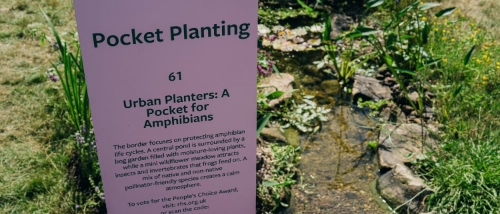
Bog Garden
Planted with a mix of native and non-native marginal plants that thrive in damp conditions. This area provides a perfect habitat and breeding ground for amphibians, while the dense surrounding foliage offers them a safe route when exiting the pond.
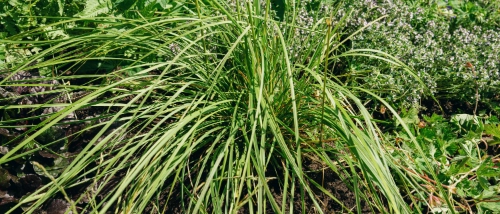
Native Grasses
Scattered throughout the space, these native grasses and ferns provide essential shelter for amphibians and a vital food source for wildlife. In winter, the dormant foliage protects overwintering insects, while the deep root systems stabilize the soil, improve water infiltration, and store carbon to help mitigate climate change.
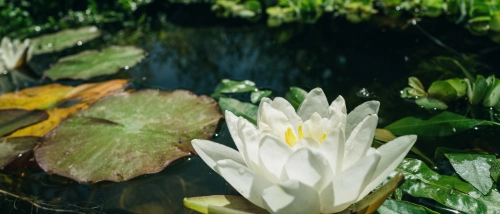
Wildlife Pond
Designed with a shallow beach, planting shelves, and a deep zone to accommodate hibernating amphibians. The varied depths and rockery stones along the shelves create sheltered nooks for wildlife. Three flat-topped rockery stones offer an ideal vantage point for viewing the pond up close.
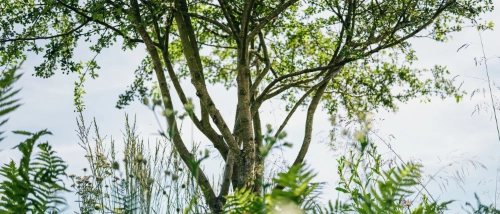
Hawthorn Tree
Crataegus monogyna (300–350 cm, multi-stem umbrella). This native common hawthorn supports hundreds of insect species, providing an excellent food source for amphibians. Its root system also offers shelter and hibernation sites for newts during the winter.
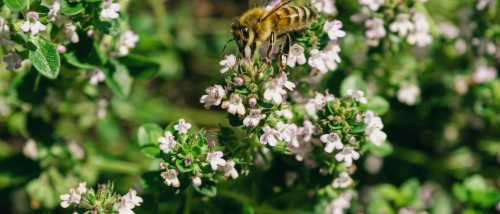
Wildflower Turf Landscape 34
A premium mix featuring 32 UK native wildflower species and 2 grass species, enhanced with additional native plug plants. This area creates a safe travel route for amphibians leaving the pond and supplies an abundant food source by attracting diverse insect life.
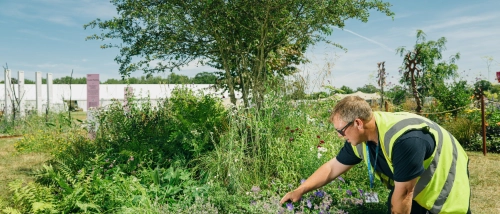
Planting Mix
A curated blend of native and non-native plants designed to maximize biodiversity (see planting plan for details). The selection extends the nectar season for pollinators, supports caterpillars, and ensures a steady food supply, shelter, and safe passage for amphibians.
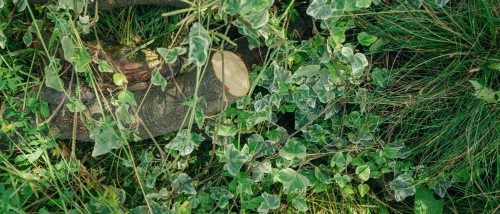
Log Piles
Clusters of logs and rotting wood underplanted with Hedera helix (English ivy) to create a natural ground cover. These piles serve as a prime habitat for invertebrates—offering an excellent feeding ground for amphibians—while providing vital shelter and hibernation sites.
Contact Us Today
Get in touch with our team today!
0808 258 1910
Contact Us
Our latest Urban Updates
Download our prospectus and newsletters to learn more about Urban Planters services and news.