
Urban Planters | Neurodiversity
What exactly is neurodiversity?
Simply put, neurodiversity is the straightforward yet important idea that there is no one correct way for the human brain to function. Differences like ADHD, autism, dyslexia, and dyscalculia are not flaws; rather, they are important and normal differences in how we think.
As a matter of fact, 1 in 7 of us are neurodivergent. Instead of viewing these as shortcomings that must be fixed, we should instead accept them as unique viewpoints that offer new ideas and unique benefits to any group.
Why is neuroinclusion important in the workplace?
We reveal incredible potential when we create workplaces where everyone feels like they belong. Professionals who are neurodivergent often thrive in areas like creativity, invention, and tackling challenging issues, representing a vital talent pool of around 1 in 7 UK adults. Yet, new research shows we are routinely missing out on this potential, with 63% of neurodivergent individuals feeling that employers see their condition as a “red flag” rather than a strength.
Instead of being supported, 31% have had their job applications abruptly halted, and 25% have been completely “ghosted” by recruiters after disclosing their neurodiversity. We have a real opportunity to do better by offering genuine psychological safety and the simple, personalised adjustments people need to thrive, ensuring no one feels they have to hide who they are to secure a job.
How do office environments affect neurodivergent employees?
Standard office environments often act as sensory minefields that cause fatigue, stress, and decreased concentration for neurodivergent individuals. Professionals with neurodivergent identities are twice as likely as their neurotypical peers to experience regular sensory distractions. Specific environmental barriers include:

- Bright lighting: Fluorescent or harsh lights can lead to sensory overload.
- Noise levels: Open-plan offices are often too loud, making it difficult to focus or process conversations.
- Social demands: Constant interaction and lack of private space can lead to social exhaustion.
Can indoor plants improve concentration and focus?
Yes, and the science backing it up is remarkably strong. A comprehensive systematic review analyzed 42 different studies to see exactly how indoor plants affect our minds and bodies. The verdict? Bringing greenery inside reliably shifts us into a state of relaxed physiology and enhanced cognition, meaning a calmer body and a sharper mind.
When you look at greenery, your brain undergoes a measurable shift. It decreases theta waves in the frontal lobe (which are tied to drowsiness and lack of focus) and alters alpha and beta waves, which are associated with relaxed alertness and active thinking. This creates a state called soft fascination, allowing your brain to bounce back from digital overstimulation and deep-focus fatigue.
Ultimately, adding a plant to your desk is not just about interior design; it is a scientifically proven way to lower your stress, speed up your reactions, and measurably sharpen your focus.
How can Urban Planters help create a neuroinclusive office?
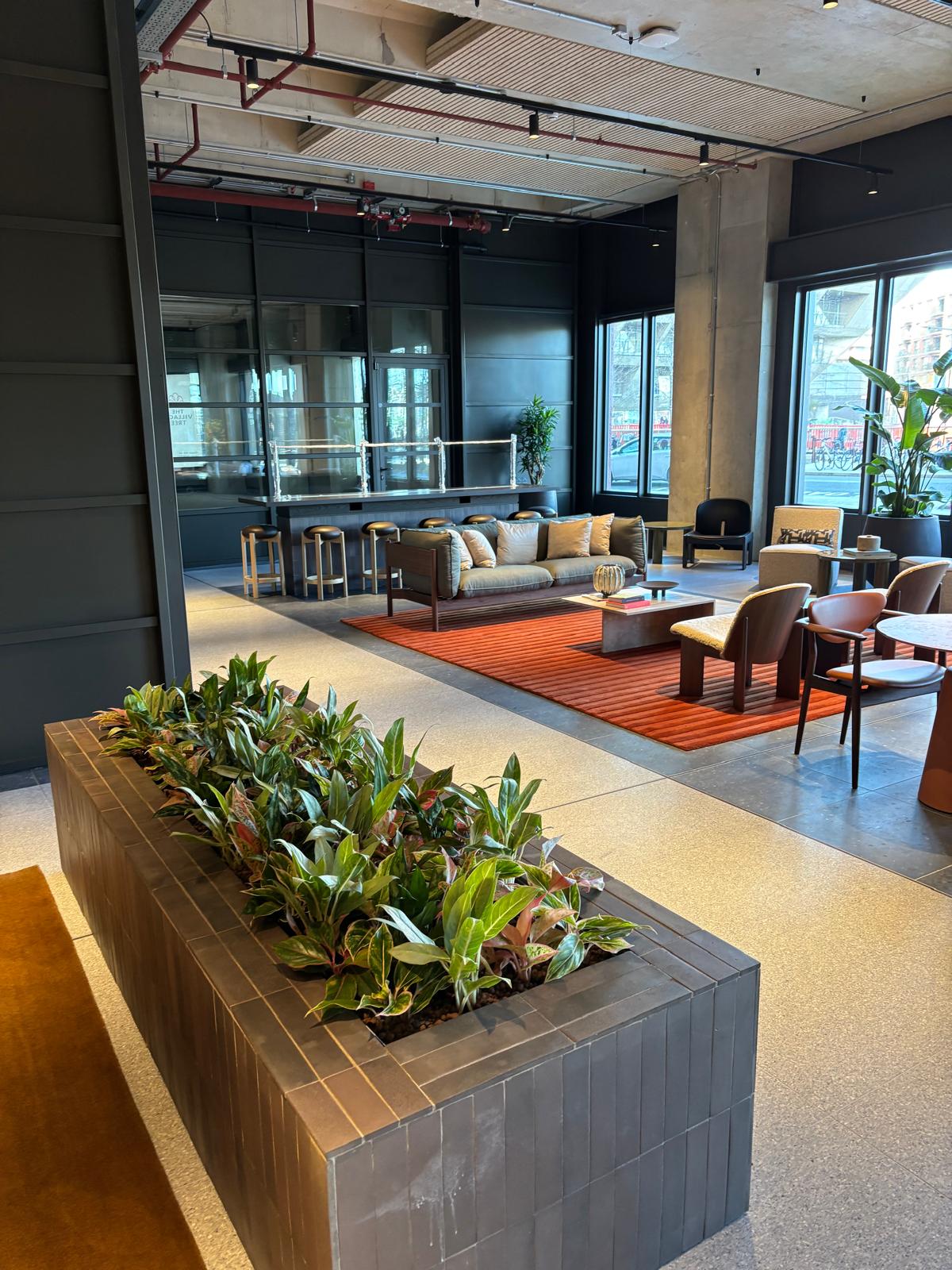
Urban Planters use strategic greenery to adapt the physical environment to the person, rather than forcing the person to fit a rigid space. We provide practical resources and design expertise to help businesses become accredited for neuroinclusion through partners like Neurokind.
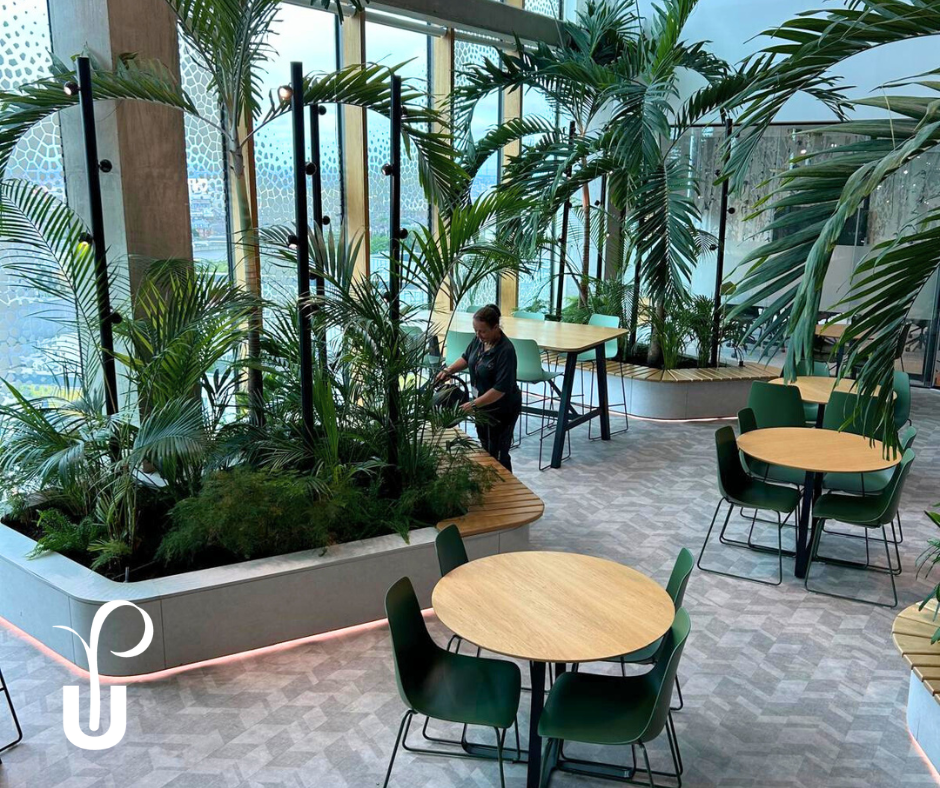
- Zoning and Acoustic Dampening: We use tall plants as soft partitions. These create “low-stimulus” quiet zones and absorb ambient noise, which is a major trigger for sensory-sensitive staff.
- Intuitive Wayfinding: We place consistent plant types at key junctions to help people navigate large layouts intuitively, reducing navigational anxiety.
- Sensory Palette Management: We select plants with muted greens to avoid visual noise and prioritize low-scent species to prevent chemical sensitivities or aversions.
- Flexible Solutions: We use movable planters to allow for quick layout adjustments based on immediate employee needs.